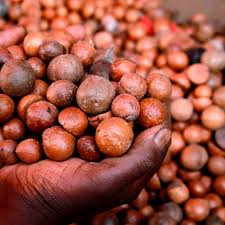
The Agriculture and Food Authority has rolled out an intensified nationwide enforcement exercise targeting illegal macadamia trading, as authorities move to seal loopholes in a sector that has seen rising cases of unlicensed buying during the peak harvest period.
The operation, which spans 14 counties where macadamia is grown, is aimed at flushing out rogue traders and processors, protecting farmers from exploitation, and ensuring that only approved buyers operate within the value chain.
Officials say the crackdown has been triggered by increased malpractice at the height of harvesting, including the entry of unregistered buyers and premature purchase of immature nuts directly from farmers, which affects both quality and market value.
Speaking during an enforcement exercise held in Kiganjo, Gatundu South in Kiambu County on Friday, Agriculture and Food Authority Deputy Director for Nuts and Oil Crops Patrick Kirimi said the authority is strictly implementing existing regulations to restore discipline in the sector.
Kirimi emphasized that anyone involved in macadamia trading or processing must be fully registered and licensed by the authority before operating, warning that unauthorized activity has been disrupting the sector and weakening standards.
“We are currently enforcing the crops, nuts and oil crops regulations of 2020, specifically in the field of macadamia because this is the peak period for the harvesting of macadamia, and it has been reported that there are malpractices that are going on in the counties,” he said.
During the operation in Gatundu South, enforcement officers working with police arrested one unlicensed trader who was found in possession of macadamia nuts. Authorities also impounded equipment believed to have been used in the illegal trade as investigations continue.
Kirimi warned that offenders risk heavy penalties, including fines of up to Sh500,000, imprisonment of up to three years, or both, depending on the nature of the offence under the law.
He added that similar operations are being conducted in other macadamia-producing counties as part of a wider coordinated effort to clean up the sector and eliminate illegal trading networks.
Despite the crackdown, Kirimi noted that the macadamia industry remains one of Kenya’s strong export performers, earning about Sh5 billion in 2024, with expectations of continued growth if standards are maintained.
He further stated that Kenya ranks as the third-largest macadamia producer globally, after South Africa and China, stressing the need for strict compliance to protect the country’s position in international markets.
Kirimi called on all traders and processors to comply with licensing rules, saying adherence would help improve export quality, strengthen competitiveness, and increase earnings for farmers while creating more opportunities along the value chain.